Levitt VIBE Buffalo Music Series Begins Monday, July 6th!
RWPC & Partners Host Free, Live Music Monday Nights This Summer!
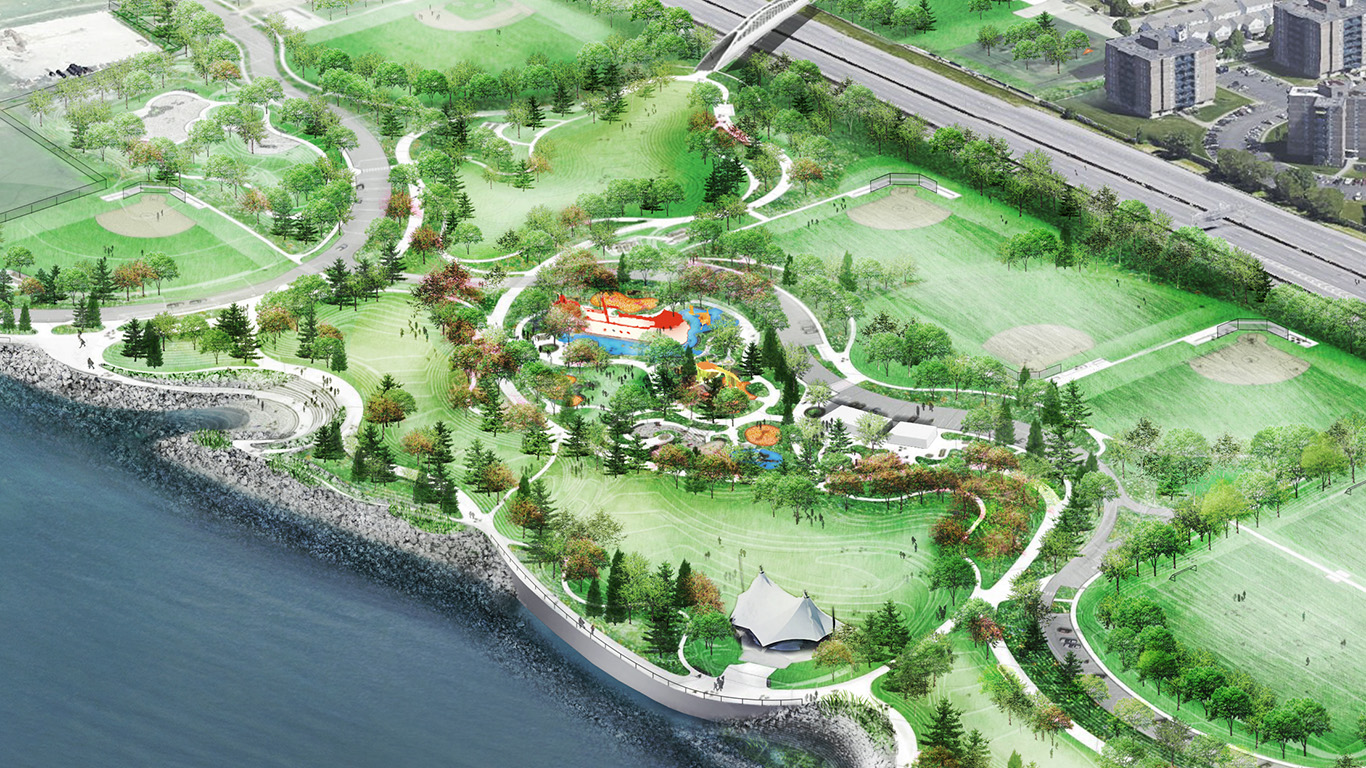
The Levitt VIBE Buffalo Music Series will bring the joy of free, live music to Ralph Wilson Park this summer, creating a vibrant new summer tradition for the city.
Supported in part by the Levitt Family Foundation, a social impact funder at the intersection of music, public space, and community building, supporting nonprofits nationwide, the Levitt VIBE Music Series will present seven free, family-friendly concerts to the public this summer in the part of Ralph Wilson Park that remains open during construction (near the pool & skate park at 5 DAR Drive). The series will feature a diverse lineup of high-caliber talent spanning genres like funk, jazz, R&B, blues, salsa, rock and more!
The Levitt VIBE Buffalo series will present free outdoor concerts each year from 2026–2028, featuring a diverse lineup of acclaimed, emerging, and award-winning artists from Buffalo and beyond. We partnered with Buffalo Funk Fest, the Big Easy in Buffalo, and the Puerto Rican and Hispanic Day Parade to bring this exciting series to Buffalo, and we look forward to engaging many local and national musicians throughout the series.
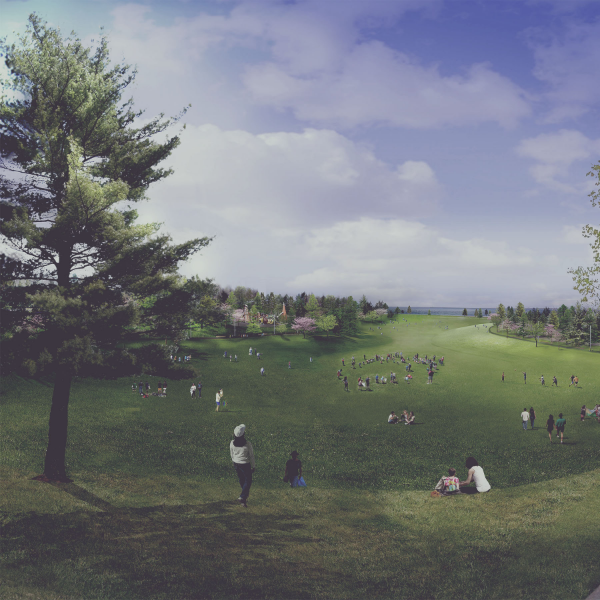
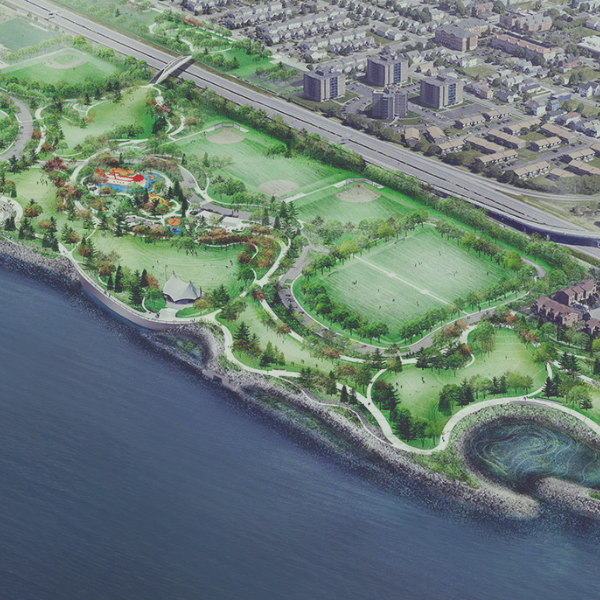
Beginning on Monday, July 6th and for the following six weeks, the Buffalo series will transform Ralph Wilson Park into a welcoming community destination where families, friends, and music lovers can gather, dance, and experience the energy of summer together on the waterfront.
SCHEDULE:
Music begins at 5:30pm each week.
JULY 13th: The Unity Band, presented by Buffalo FunkFest
JULY 20th: Wendell Rivera, presented by Buffalo FunkFest
JULY 27th: D’Mott, presented by Buffalo FunkFest
AUGUST 3rd: Lynn Drury & Jony James Blues Band, presented by the Big Easy in Buffalo
AUGUST 10th: Will Holton and Drea d’Nur, presented by Buffalo FunkFest
AUGUST 17th: La Krema, presented by the Puerto Rican and Hispanic Day Parade
AUGUST 24th: Organ Fairchild & The Brass Machine, presented by the Big Easy in Buffalo
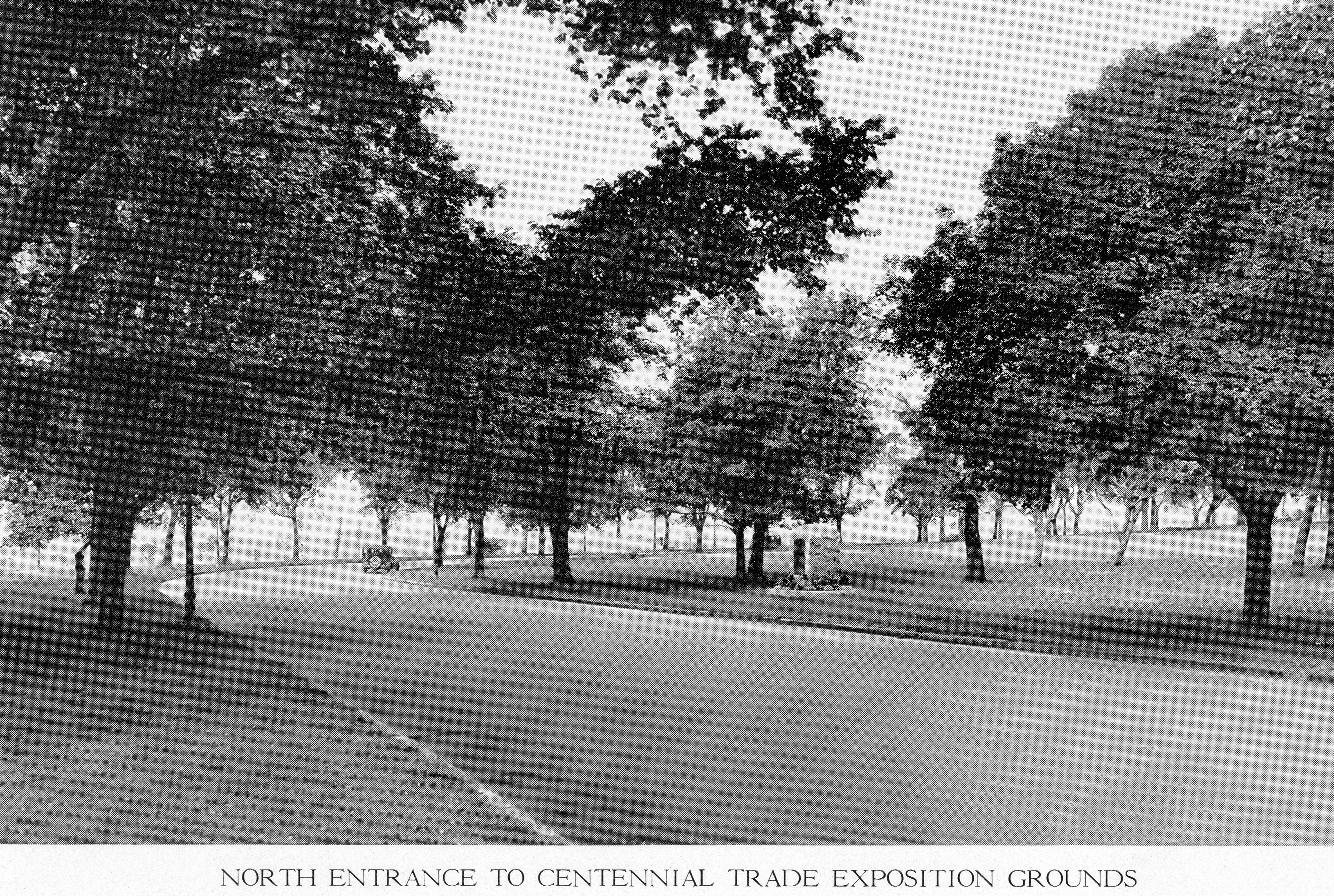
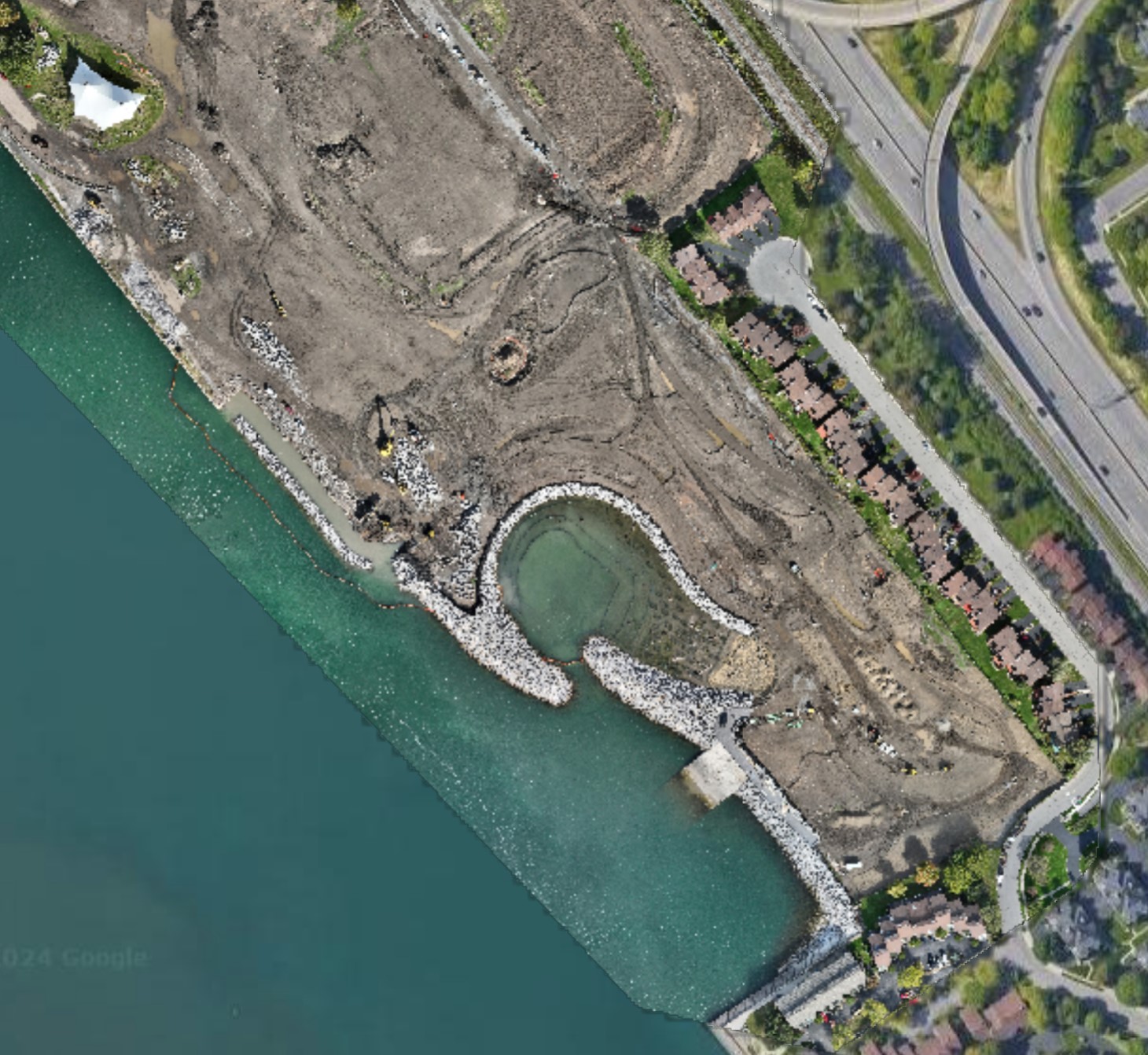
WHERE: The Levitt VIBE Music Series is located at the part of Ralph Wilson Park that remains open during construction, near Centennial Pool and splash pad and the Buffalo Skate Plaza, at 5 DAR Drive, just off Porter Ave.
The community is invited to bring their own picnics, blankets, and lawn chairs to the concerts, which will have an open lawn setting. There will also be rotating food trucks and local vendors on-site each week – watch our social media for updates.
Admission is free.
Be a Part of This New Summer Tradition! Sponsorship opportunities available. Contact info@RWParkBuffalo.org for more information.
The Levitt VIBE Buffalo Music Series is supported in part by the Levitt Family Foundation, which partners with changemakers and nonprofits to strengthen the social fabric of communities in America through free, live music in outdoor public spaces. Presenting high-caliber talent and a broad array of music genres and cultural programming, Levitt concerts are welcoming, inclusive destinations where people of all ages and backgrounds come together. In 2026, the Levitt Family Foundation is supporting over 900 free concerts in 90+ towns and cities across the country, bringing joy to over a million people. In addition to supporting free concerts, the Foundation is dedicated to advancing vibrant music ecosystems through partnerships, field-building initiatives, and research. levitt.org.